
2026-08-17 · Tom Becker
What to Do After Hail or Wind Damages Your Siding in Fort Wayne
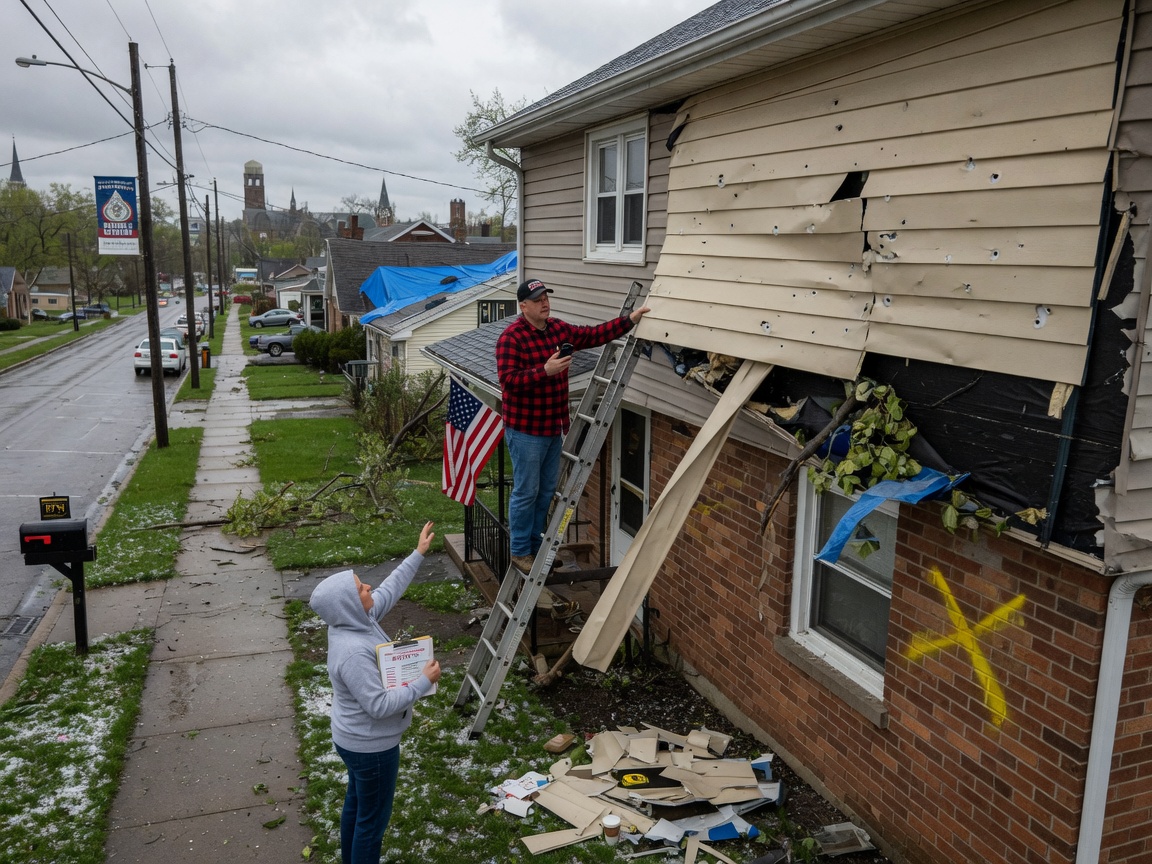
After hail or wind damages your siding in Fort Wayne, inspect the exterior right away for dents, cracks, and loose panels, photograph every affected area from ground level and with a ladder if safe, then contact a siding contractor within 48 hours to stop water from entering before our cold winters arrive.
Inspect for Hidden Damage
Hail often leaves small craters that later allow moisture behind vinyl or aluminum panels, while high winds can pull nails or separate seams on wood and fiber cement. Walk the full perimeter and check areas near the Fort Wayne Children's Zoo and Promenade Park where open spaces let storms hit harder. Use a bright light at dusk to spot lifted edges or missing granules on any underlayment. In Allen County homes built before 1990, check for rotted sheathing once a panel shifts. Note any soft spots when pressing on the wall with your palm. These signs mean the damage extends past the surface and will worsen once summer humidity returns. Skip DIY probing that could create new entry points for rain.
Document for Insurance Claims
Take dated photos and short videos showing the full elevation of each wall plus close-ups of individual dents measuring 1-3 inches across. Record the date, time, and weather details from local reports. Keep a simple spreadsheet listing each damaged section by address side and square footage affected. Forward copies to your insurer within the first week. This record supports claims for siding repair and helps avoid disputes over pre-existing wear. Store originals on a cloud drive in case printed copies get lost. Many Fort Wayne policies cover sudden storm damage but exclude gradual deterioration, so clear documentation separates the two.
Temporary Protection Measures
Secure loose panels with exterior screws rated for 1,200 pounds of pull-out strength until permanent work begins. Place heavy-duty tarps over large openings and weigh them with sandbags rather than nails that could add holes. In neighborhoods like West Central and North Anthony, where older homes sit close together, check that tarps do not direct water toward a neighbor's foundation. Avoid caulking over damaged seams because trapped moisture leads to mold inside the wall cavity. These steps buy 2-4 weeks of protection during the active storm season but never replace a full assessment by a local crew.
Repair or Replacement Decisions
Small hail dents under 2 inches on vinyl can often be filled and painted, while larger impacts or wind-driven cracks in fiber cement usually require panel replacement. Review the repair or replace siding guide to compare material lifespans: vinyl lasts 20-30 years, aluminum 30-40 years, and wood needs refinishing every 8-12 years. Factor in current siding age and whether matching discontinued profiles will drive up cost. A contractor visit shows whether 15-25 percent of the wall can be patched or if full elevation work keeps the home uniform. Read the siding repair cost breakdown for local price ranges before signing any agreement.
Working with a Fort Wayne Crew
Call a locally based siding contractor that offers 24/7 call handling so storm damage can be logged the same evening. Provide the photos and measurements already gathered so the crew arrives prepared with matching materials. Ask for a written scope that lists exact panel counts, fastener types, and underlayment checks rather than a lump sum. Schedule work between April and October when temperatures stay above 40 degrees for proper sealant cure. This sequence keeps the home dry through the next freeze-thaw cycle common in Allen County.